Many of Noah Shoes’ customers are from Africa and do not often come to Guangzhou. That makes it especially important to check everything before shipment, send photos and show video of the pre-shipment checks.
All our customers receive pre-shipment photos of their orders.
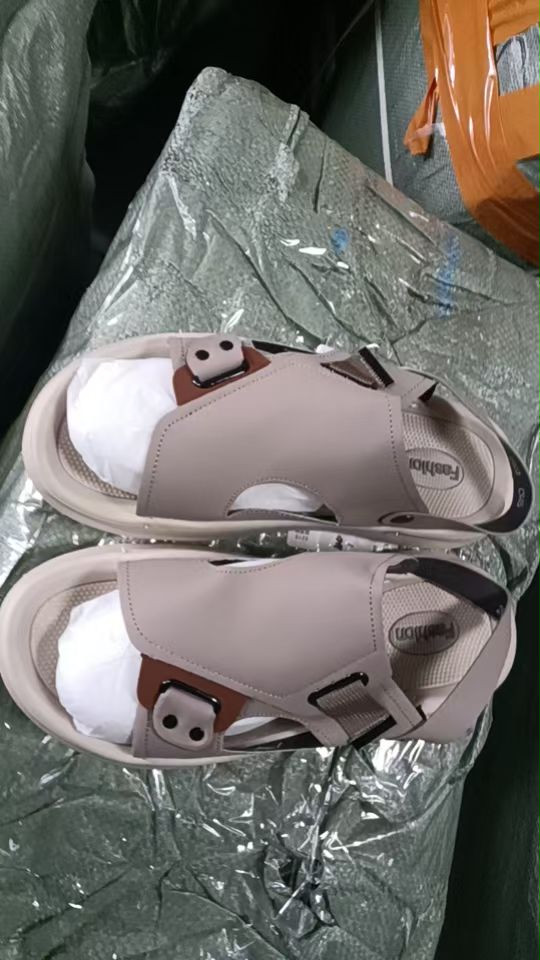
Pre-shipment photos can help footwear buyers and suppliers discuss the goods being prepared. Their value depends on what they show and whether they can be matched to the current order. Before replying “approved,” identify the details checked and the questions that remain open.
1. Confirm the order and batch
Match the photos to the style reference, colour, labelled size and latest order requirements. Ask whether they show the goods being prepared for this shipment.
Catalogue images and earlier sample photos can help identify a design, but they do not establish the condition of the current batch. If the order has changed, use the latest confirmed version when reviewing the photos.
2. Combine overall views with useful close-ups
An overall photo helps identify the shoe. Close-ups can show stitching, trim, outsole appearance and size labels. Choose views according to the requirements agreed with the supplier. Where relevant, include both shoes in a pair and the areas discussed during sample review. If a detail is blurred, hidden or affected by glare, request a clearer view.
Lighting and screens can affect colour. Important colour requirements should be checked against a reference or method agreed by both parties.
3. Match the product to its packaging
Check whether the visible shoe, size label, box or bag correspond to the same style, colour and size. Review any agreed packaging, labelling or carton-mark requirements against the latest instructions.
A photograph of a few pairs cannot confirm the quantity or size distribution of the whole order. Those checks require the relevant counts, packing records and agreed inspection process.
4. Review corrections after they are made
Identify the photo and the exact detail that needs attention. A marked reference image can help locate an issue, while the original preserves the unedited view. If the supplier reports a correction, review an updated photo or the appropriate inspection record. Keep resolved points separate from those awaiting confirmation, and identify the order version used.
5. Understand the limits of photographs
Photos support checks of visible appearance, labels and packaging. They cannot, on their own, verify every pair, establish fit across all sizes or demonstrate long-term durability. Requirements involving measurements, performance or consistency need the corresponding checks or tests agreed for the order.
A useful photo set makes it easy to identify the goods, understand what has been reviewed and see what still needs attention. Clear references and specific questions help both sides make a more informed shipment decision.